For large families, laundry becomes part of everyday life. School clothes, uniforms, towels, bedding, and sports gear stack up quickly. When a washer or dryer is too small or outdated, laundry takes longer, uses more energy, and becomes harder to manage. Choosing the right machines can make a big difference in speed, convenience, and long-term cost. Whether you’re replacing an old set or upgrading after a repair, understanding what features matter most helps you invest wisely.
This guide highlights the best washer and dryer features for big households, the most useful cycle settings, and maintenance habits that help your appliances last for years.
What Makes a Washer Good for Large Families
A reliable washer for a big household should provide deep cleaning, protect fabrics, and reduce the number of weekly loads. Several features have the greatest impact.
Large Capacity (4.5–5.5 cu. ft.)
A spacious drum handles blankets, comforters, and several days of clothing in one cycle. Fewer loads save time, water, and electricity.
High Spin Speeds
A strong spin cycle removes more water before clothes enter the dryer. This shortens drying time, lowers energy use, and reduces heat damage to fabrics.
Stain and Quick-Wash Cycles
Families benefit from fast-cleaning cycles for last-minute needs and deep-clean options that handle sweat, dirt, and food spills.
Energy Efficiency
ENERGY STAR washers use less water and power without sacrificing cleaning strength. Over time, these savings add up.
Smart Features
Phone alerts, automatic detergent dispensing, and load-sensing technology help prevent forgotten loads and reduce detergent waste.
Pro Tip: After a repair or installation, run an empty cycle to confirm the washer fills, drains, and spins correctly.
What to Look for in a Dryer
Your dryer should match the performance of the washer so clean loads do not pile up. These features help keep up with a large family’s laundry routine.
Large Capacity (7.0 cu. ft. or higher)
A dryer with the right capacity prevents bottlenecks and keeps laundry moving smoothly.
Moisture Sensors
These sensors stop the dryer as soon as clothing is dry, protecting fabrics, reducing shrinking, and saving electricity.
Sanitize and Steam Cycles
These cycles clean deeper and help remove bacteria, allergens, and sweat from bedding and towels.
Wrinkle Prevention
Intermittent tumbling at the end of a cycle keeps clothes from wrinkling and makes folding easier.
Pro Tip: After a repair, listen for unusual sounds or vibrations during the first few cycles to catch any venting or part issues early.
Best Washer and Dryer Setups for Large Families
Front-Load Washer with Matching Dryer
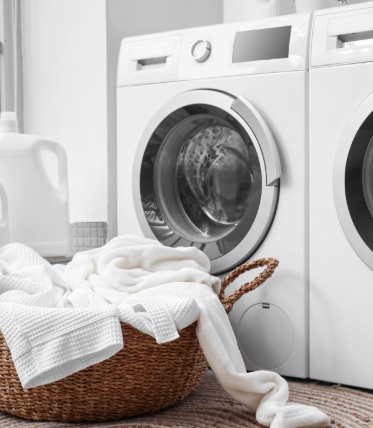
Front-loaders clean thoroughly, use less water, and usually offer larger capacities. They can be stacked to save space or placed side-by-side and often include steam and self-cleaning features.
Top-Load Washer Without an Agitator
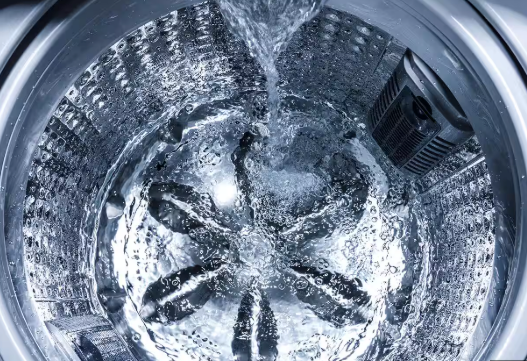
These models offer more room inside the drum and are easier to reach into. They clean large items well and frequently finish cycles faster than front-load units.
High-Capacity Paired Sets
Some sets are specifically built for heavy, frequent washing. With oversized drums and faster heating elements, they are ideal for households with athletes, pets, or young children.
Helpful Features for Busy Households
Delay start settings allow laundry to run when electricity rates are lower or when you are away from home.
Child lock controls prevent cycle changes or accidental lid openings.
Large door openings and interior drum lights make loading easier and help locate small items.
Allergen or heavy-duty cycles remove dust, pollen, and bacteria from bedding and uniforms.
Multiple temperature and soil-level settings help protect delicate fabrics and athletic wear.
Maintenance Tips to Extend Lifespan
Washer Maintenance
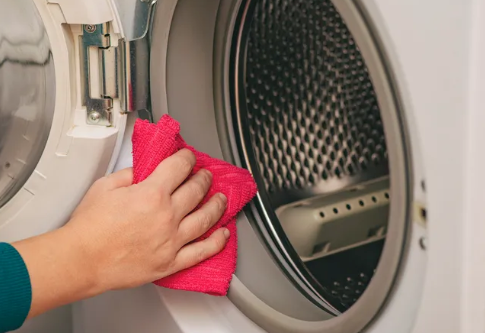
Leave the door open after cycles to prevent mildew.
Clean the detergent drawer monthly to avoid buildup.
Run a cleaning cycle with vinegar or washing machine cleaner.
Inspect hoses regularly for leaks or cracks to prevent water damage.
Dryer Maintenance
Clean the lint trap after every load to prevent overheating and fire risks.
Check the vent line regularly for lint buildup that restricts airflow.
Ensure the dryer sits on level flooring to reduce vibration and wear.
Vacuum dust under and behind the unit twice a year.
Pro Tip: After a repair or move, start with smaller loads for the first few cycles to make sure the appliance is running correctly.