Introduction
Refrigerators are designed to run continuously, making them one of the hardest-working appliances in any household. Because of this constant operation, refrigerators are also one of the most frequently repaired appliances. Appliance repair professionals consistently see the same issues across many brands, models, and household environments.
Understanding the most common refrigerator problems and how preventative maintenance can reduce repair frequency is essential for homeowners who want to extend the lifespan of their appliances and avoid unexpected breakdowns. This guide explains the most common refrigerator repair issues, why they happen, and how regular maintenance can significantly reduce service calls.
This article supports our pillar blog, “Top 10 Refrigerator Brands That Require the Most Repairs (And Why),” by focusing on maintenance-driven solutions rather than brand comparisons.
Why Refrigerator Maintenance Matters
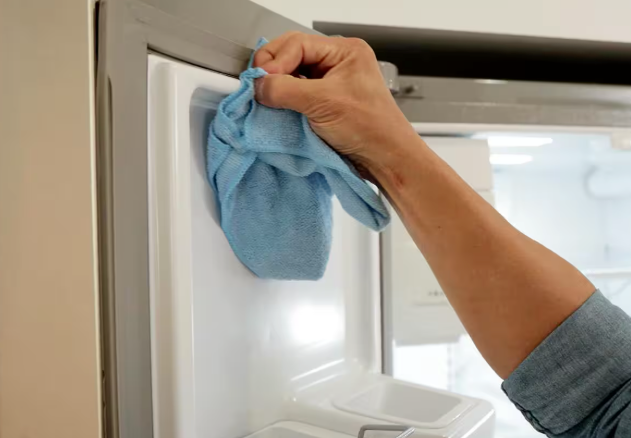
Refrigerator maintenance is often overlooked because the appliance appears to function normally—until it doesn’t. Many major refrigerator failures begin as small, easily preventable issues that worsen over time due to neglect.
Appliance repair data shows that refrigerators receiving regular maintenance:
- Experience fewer breakdowns
- Operate more efficiently
- Consume less energy
- Last several years longer than poorly maintained units
Preventative maintenance reduces strain on critical components such as compressors, fan motors, and control boards.
Most Common Refrigerator Problems
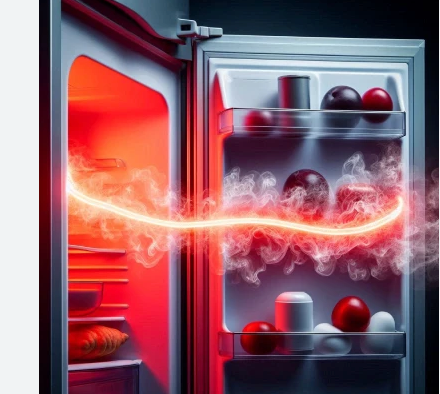
Refrigerator Not Cooling Properly
One of the most common refrigerator service calls involves inadequate cooling. This issue can affect both the refrigerator and freezer compartments.
Common causes include:
- Dirty condenser coils
- Faulty evaporator fan motor
- Blocked airflow vents
- Failing temperature sensors
When cooling problems are ignored, they often lead to compressor overwork and eventual failure.
Ice Maker Failures
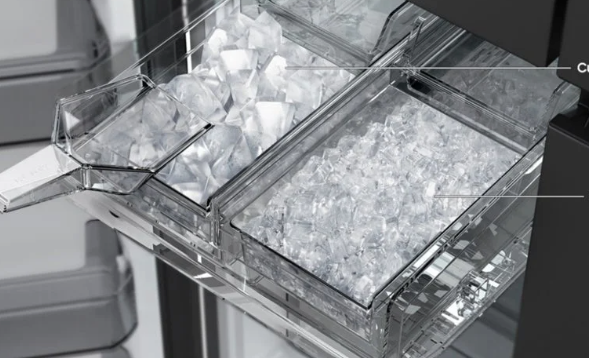
Ice makers are among the most frequently repaired refrigerator components across nearly all brands.
Common ice maker issues include:
- Frozen water lines
- Defective inlet valves
- Motor or sensor failures
- Clogged water filters
Appliance repair technicians frequently note that ice maker issues alone account for a large percentage of refrigerator repair visits.
Water Leaks
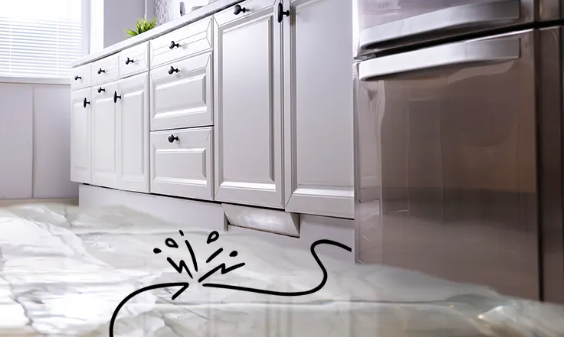
Water pooling around or inside a refrigerator is another common complaint.
Typical causes include:
- Blocked defrost drain
- Cracked water supply lines
- Loose hose connections
- Faulty water filters
If not addressed promptly, water leaks can lead to floor damage and mold growth.
Excessive Noise
Unusual noises such as buzzing, rattling, or clicking often indicate mechanical problems.
Common sources include:
- Worn evaporator fan motors
- Condenser fan obstructions
- Compressor strain
Noise issues are early warning signs that should not be ignored.
Frost Buildup
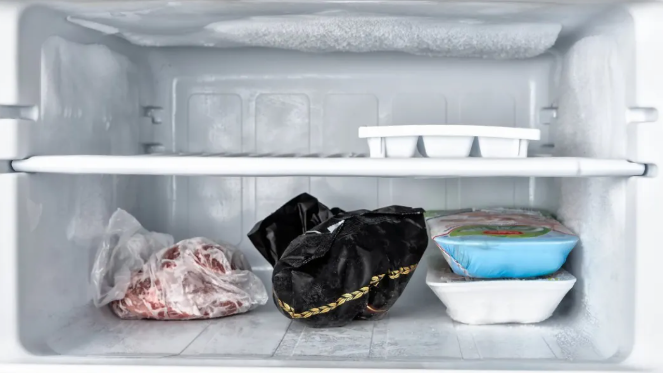
Frost buildup in the freezer compartment reduces cooling efficiency and airflow.
Causes include:
- Defrost heater failure
- Faulty defrost thermostat
- Damaged door seals
Left untreated, frost buildup can cause long-term cooling problems.
How Preventative Maintenance Reduces Refrigerator Repairs
Cleaning Condenser Coils
Dirty condenser coils force the refrigerator to work harder to release heat.
Maintenance tip:
Clean coils every 6 to 12 months to reduce compressor strain and improve efficiency.
Replacing Water Filters
Clogged water filters reduce water flow and strain ice maker components.
Maintenance tip:
Replace water filters every 6 months or according to manufacturer guidelines.
Inspecting Door Seals
Damaged or loose door gaskets allow cold air to escape, causing temperature imbalance.
Maintenance tip:
Check seals regularly and clean them to maintain a tight seal.
Maintaining Proper Temperature Settings
Incorrect temperature settings increase energy usage and wear on cooling components.
Recommended settings:
- Refrigerator: 37–40°F
- Freezer: 0°F
These settings align with energy efficiency recommendations from the U.S. Department of Energy.
Maintenance vs. Brand Reliability
While some refrigerator brands appear more frequently in repair statistics, maintenance habits play a major role in overall reliability. Appliance repair professionals often see well-maintained refrigerators from “high-repair” brands outperform neglected units from more reliable brands.
This reinforces the importance of homeowner involvement in appliance care, regardless of brand reputation.
For brand-specific repair trends and reliability comparisons, refer to our main guide:
👉 Top 10 Refrigerator Brands That Require the Most Repairs (And Why)
When to Call a Professional Appliance Repair Technician
While basic maintenance can be handled by homeowners, some issues require professional service.
Call a professional when:
- The refrigerator stops cooling completely
- Electrical issues occur
- Error codes appear
- The compressor is not running
- Water leaks persist
Timely professional repair prevents minor issues from turning into costly failures.
Conclusion
Refrigerator problems are inevitable over time, but many common issues are preventable through proper maintenance. By understanding the most frequent refrigerator failures and addressing them early, homeowners can reduce repair frequency, lower energy costs, and extend appliance lifespan.
This maintenance-focused guide complements our broader discussion of refrigerator brand reliability and highlights the critical role preventative care plays in appliance performance.