Introduction
One of the most common questions appliance repair technicians hear is: “Is it worth fixing my refrigerator, or should I replace it?” When a refrigerator stops cooling, leaks water, or makes loud noises, homeowners are often unsure whether a repair makes financial sense or if replacement is the better long-term option.
The answer depends on several factors, including the refrigerator’s age, repair cost, brand reliability, and overall condition. This guide explains how to evaluate refrigerator repair versus replacement decisions using appliance repair data, real-world service trends, and cost analysis.
This post supports our main article, “Top 10 Refrigerator Brands That Require the Most Repairs (And Why),” by helping homeowners understand how repair frequency impacts long-term ownership costs.
Average Refrigerator Lifespan
Most modern refrigerators are designed to last between 10 and 15 years, depending on brand, usage, and maintenance habits. However, appliance repair professionals often see a noticeable increase in service calls after the appliance reaches 5 to 7 years of age.
Typical lifespan stages:
- 0–5 years: Minimal repairs, often covered by warranty
- 6–10 years: Increased part failures (fans, ice makers, sensors)
- 10+ years: Higher risk of major component failure
Understanding where your refrigerator falls within this timeline is the first step in deciding whether repair or replacement is the smarter option.
Common Refrigerator Repairs and Their Costs

Not all refrigerator repairs carry the same financial impact. Some issues are inexpensive and worth fixing, while others can approach the cost of a new appliance.
Lower-Cost Repairs (Usually Worth Fixing)
- Thermostat replacement
- Door seal replacement
- Fan motor repairs
- Water filter housing issues
These repairs are typically affordable and can extend appliance life by several years.
High-Cost Repairs (Replacement Often Considered)
- Compressor failure
- Sealed system leaks
- Multiple electronic control board failures
Appliance repair technicians often advise replacement when sealed system or compressor repairs exceed 50% of the refrigerator’s replacement value.
The 50 Percent Rule in Appliance Repair
A commonly used guideline in appliance repair is the 50 percent rule:
If the cost of repair exceeds 50% of the cost of replacing the refrigerator, replacement may be the better investment.
This rule is especially relevant for older refrigerators or brands that experience frequent repeat failures.
How Brand Reliability Affects Repair Decisions
Brand reliability plays a major role in long-term repair costs. Some refrigerator brands experience higher service call volumes due to recurring design or component issues.
For example:
- Brands with known compressor issues may experience repeated failures
- Models with complex electronics may require multiple board replacements
- Ice maker-heavy designs often result in ongoing maintenance costs
For a detailed breakdown of brand-specific repair trends, refer to our pillar guide:
👉 Top 10 Refrigerator Brands That Require the Most Repairs (And Why)
If a refrigerator brand has a history of frequent breakdowns, replacement may be more cost-effective than repeated repairs.
Energy Efficiency and Replacement Considerations
Older refrigerators are significantly less energy-efficient than newer models. According to energy efficiency guidelines from the U.S. Department of Energy, newer refrigerators consume far less electricity than models produced a decade ago.
Benefits of replacing an older refrigerator:
- Lower monthly energy bills
- Improved cooling performance
- Fewer repairs
- Updated features and warranties
Energy savings can help offset the upfront cost of replacement over time.
Maintenance History Matters
A refrigerator’s maintenance history is one of the strongest predictors of future reliability. Appliance repair professionals consistently report that well-maintained refrigerators:
- Experience fewer breakdowns
- Have longer service lives
- Perform more efficiently
Refrigerators that receive regular condenser coil cleaning, filter replacements, and airflow management are often worth repairing, even at an older age.
When Repair Is the Better Option
Repair is usually recommended when:
- The refrigerator is under 8 years old
- The repair cost is reasonable
- The issue is isolated (not recurring)
- The appliance has been well maintained
In these cases, repair can significantly extend the appliance’s usable life.
When Replacement Makes More Sense
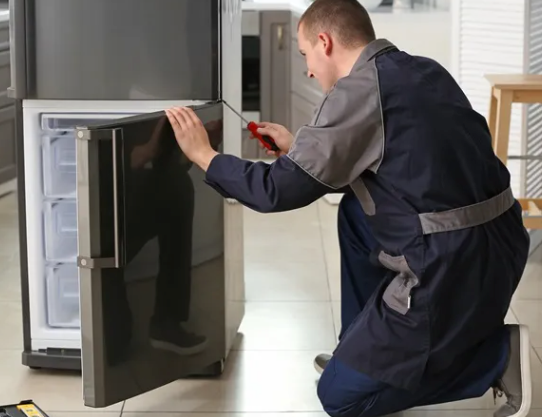
Replacement is often recommended when:
- The refrigerator is over 10 years old
- Repairs are frequent or repetitive
- Major components have failed
- Energy efficiency is poor
- Replacement parts are discontinued
Appliance repair technicians consider both cost and reliability when making these recommendations.
Conclusion
Deciding whether to repair or replace a refrigerator requires careful consideration of age, repair costs, brand reliability, and maintenance history. While many refrigerator problems can be fixed affordably, repeated or high-cost repairs often signal that replacement is the more practical long-term solution.
By understanding appliance repair trends and brand reliability patterns, homeowners can make informed decisions that balance cost, performance, and reliability. For a full overview of refrigerator brands with higher repair frequency, refer back to our main guide on refrigerator repair trends.