Oven & Microwave Maintenance: Safe and Sanitary Cooking
The oven and microwave work harder than almost any appliance in the kitchen. Daily reheating, family meals, baking, and holiday cooking all create grease, spills, steam, and heat that build up over time. Without regular care, residue can burn onto surfaces, odors can develop, and efficiency can drop. In some cases, lack of maintenance can even cause uneven cooking or small fire risks.
Whether your appliance is new, recently repaired, or many years old, consistent maintenance keeps it clean, safe, and reliable. The guide below explains how to care for both appliances, prevent common issues, and support a more sanitary kitchen.
Why Maintenance Matters
Heat, grease, and food particles naturally collect inside ovens and microwaves. Over time, this buildup affects performance, creates smells, and can spread bacteria. Burned spills may smoke, and blocked components can cause the appliance to work harder than necessary.
For families who cook often, maintenance is more than cosmetic. It protects internal parts, preserves food quality, and minimizes the risk of unexpected breakdowns.
Oven Maintenance: Keeping Heat High and Surfaces Clean
A well-maintained oven heats faster and cooks food more evenly. Grease and spills can block heating elements, cause smoke, or leave burned odors that carry into meals. Proper care also protects gaskets, racks, and temperature sensors.
Clean Spills Quickly
Let the oven cool, then wipe away any drips or baked-on residue. When spills are left to harden, they can burn during the next cooking cycle and become more difficult to remove. Using a baking sheet under casseroles or pies makes cleanup much easier.
Use the Right Cleaning Method
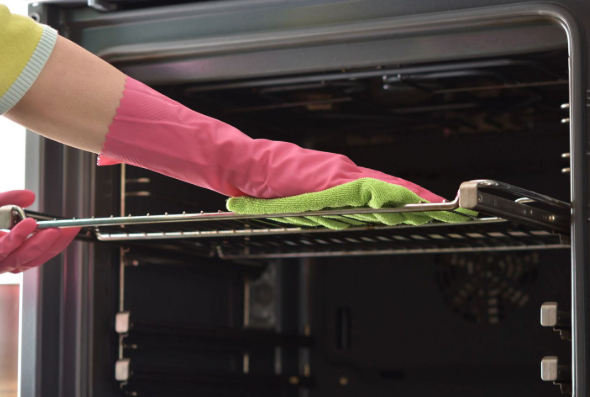
Warm water and mild dish soap remove light grease. For tougher buildup, a baking soda paste provides gentle scrubbing power without harsh chemicals. Avoid metal scouring pads, which can scratch interior surfaces.
Inspect Door Gaskets
The rubber gasket seals heat inside the oven. Cracks, gaps, or worn areas can cause heat loss and strain the appliance. Clean the gasket with mild soap and inspect it periodically for damage.
Clean Oven Racks
Remove racks and wash them in warm, soapy water. Built-up residue can cause odors or affect performance. Racks should slide smoothly; a small amount of cooking oil on contact points can help prevent squeaking.
Replace Light Bulbs
A working oven light allows you to check food without opening the door, keeping heat consistent and cooking times accurate.
Pro Tip: After a repair, run the oven empty for 15 to 20 minutes to burn off cleaner residue or dust from the service.
Microwave Maintenance: Clean, Safe, and Odor-Free
Microwaves collect steam, splatter, and grease quickly. A dirty microwave affects taste, performance, and sanitation. If residue reaches vents or sensors, overheating may occur.
Clean the Interior Regularly
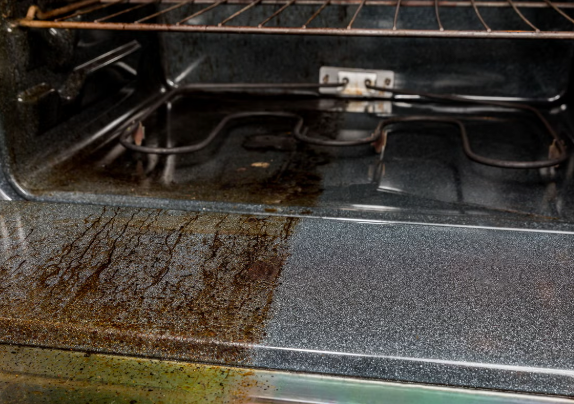
Wipe down the interior every few uses. Heating a bowl of water with lemon for a couple of minutes helps loosen dried food. The turntable and walls wipe clean with a soft cloth afterward.
Avoid Metal
Do not place forks, foil, or metal containers inside the microwave. Metal can cause sparks, interior damage, or small fires.
Use Microwave-Safe Containers
Some plastics warp or release chemicals when heated. Use only microwave-safe materials, and replace cracked or discolored containers. Glass and ceramic are the safest options.
Clean Vents and Filters
Over-the-range microwaves have vents and grease filters. Remove the filter and soak it in warm, soapy water every few months to prevent odor and maintain proper ventilation.
Check Door Seals
A clean, intact door seal keeps heat contained and maintains performance. Wipe the rubber seal gently to remove grease or crumbs.
Pro Tip: After a repair, heat a cup of water and listen for unusual noises. A burning smell or spark can be an early warning that something needs adjustment.
Deep Cleaning vs. Everyday Cleaning
Everyday wipe-downs prevent buildup, but both appliances need deeper cleaning.
Ovens with self-cleaning cycles heat to very high temperatures to burn residue into ash. Run the cycle only when the oven is moderately dirty, and make sure the kitchen is well-ventilated. Avoid using strong chemical cleaners before starting a self-clean cycle.
Microwaves benefit from a monthly deep clean. Remove the turntable, wash it in the sink, and check the rollers underneath for crumbs that may interfere with rotation.
Safety Tips for Both Appliances
Unplug countertop microwaves before cleaning. Make sure ovens are completely cool before wiping interiors. Avoid spraying cleaners directly into control panels, as liquid can seep into electronic components.
If you notice sparks, smoke, burning smells, or unusual sounds, stop using the appliance immediately and unplug it if possible.
When to Call for Service
Routine cleaning prevents many issues, but some problems require a technician, including:
• Oven heating slowly
• Uneven cooking
• Visible sparks inside the microwave
• New humming or rattling sounds
• Door not sealing properly
• Buttons or display failing to respond
A professional can inspect thermostats, sensors, wiring, and other internal components homeowners should not access.
Final Thoughts
A clean oven cooks evenly and improves flavor. A clean microwave heats faster and operates more safely. Simple habits like wiping spills, checking gaskets, and cleaning filters help appliances last longer and keep your kitchen sanitary.
Small steps make a big difference for performance, safety, and the comfort of your home.
About Us: HR Appliance & Services LLC
We provide honest, dependable appliance and HVAC repair focused on keeping homes safe, efficient, and comfortable. Whether your oven will not heat, your microwave stops working, or you need guidance on proper maintenance, our team is here to help. We treat every home with the same care we give our own.