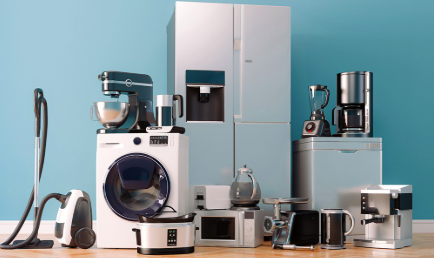
From kitchen essentials like refrigerators and dishwashers to laundry machines, ovens, and HVAC systems, appliances are the backbone of modern comfort. But without proper care, they can break down prematurely, leading to costly repairs or replacements.
Whether your appliance is brand new or has just been repaired, routine maintenance and responsible usage are essential for extending its life and maintaining energy efficiency. This guide covers practical, DIY-friendly tips to help you take care of your home appliances, saving you time, money, and headaches down the road.
1. Refrigerator Maintenance: Keep It Cool, Clean, and Efficient
Your refrigerator works non-stop to keep your food fresh, and it needs a little love in return. Here’s how to take care of it:
- Clean the Coils: Vacuum and brush the condenser coils at least twice a year. Dust buildup makes your fridge work harder.
- Wipe Door Gaskets: Use warm, soapy water to clean the rubber seals around the door. This helps prevent air leaks and energy loss.
- Defrost When Necessary: For older models, defrost regularly to avoid ice buildup.
- Check the Drip Pan: Some fridges have a drip tray underneath, empty and clean it every few months.
- Organize Smartly: Avoid overloading and follow proper storage placement (e.g., dairy in colder spots).
Pro Tip: If you just had your fridge repaired, give it at least 24 hours to stabilize before loading it back up with food.
2. Dishwasher Care: Clean Dishes Start with a Clean Machine
Your dishwasher cleans your dishes, but who cleans the dishwasher? You do. Regular upkeep keeps it smelling fresh and running smoothly.
- Clean the Filter: Remove and rinse the filter every few weeks to remove trapped food particles.
- Descale Monthly: Use a dishwasher cleaner or vinegar to remove mineral buildup from hard water.
- Inspect the Spray Arms: Poke out any debris clogging the water jets.
- Check for Leaks: If you see water pooling, inspect the door seal and replace if worn out.
- Use the Right Detergent: Too much soap can leave residue; check your user manual.
Pro Tip: After a repair, run a test cycle with no dishes to ensure everything is working properly.
3. Washing Machine & Dryer Maintenance: Clean Clothes, Clean Machines
Washing Machine Tips:
- Don’t Overload: Overloading strains the motor and bearings.
- Use HE Detergent for HE Machines: Incorrect soap use can lead to buildup and damage.
- Leave the Door Open: Prevent mold and mildew by airing out the drum after each use.
- Run a Cleaning Cycle: Once a month, run an empty cycle with vinegar or washing machine cleaner.
Dryer Tips:
- Clean the Lint Trap: Do this after every load to prevent fires.
- Check and Clean the Exhaust Vent: Do this every few months to ensure good airflow.
- Keep It Level: An unbalanced dryer can cause vibration damage over time.
Pro Tip: If your washer or dryer was recently repaired, listen for unusual noises during the first few loads. These could be signs of misalignment or loose parts.
4. Oven & Microwave Maintenance: Safe and Sanitary Cooking
Oven:
- Clean Spills Immediately: Use a baking tray under food to catch drips and clean messes before they burn in.
- Check the Gasket: A faulty door seal can let heat escape, raising your energy bill.
- Remove the Knobs: Take them off occasionally for deep cleaning.
Microwave:
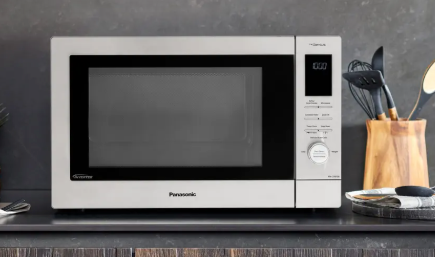
- Avoid Metal: Never put metal objects inside the microwave.
- Use Microwave-Safe Containers Only: To avoid toxic releases or explosions.
- Wipe Down After Each Use: Especially the door, keypad, and turntable.
Pro Tip: After servicing an oven or microwave, inspect the power cord and test heat settings to confirm even performance.
5. HVAC System and Water Heater: Year-Round Comfort Requires Year-Round Care
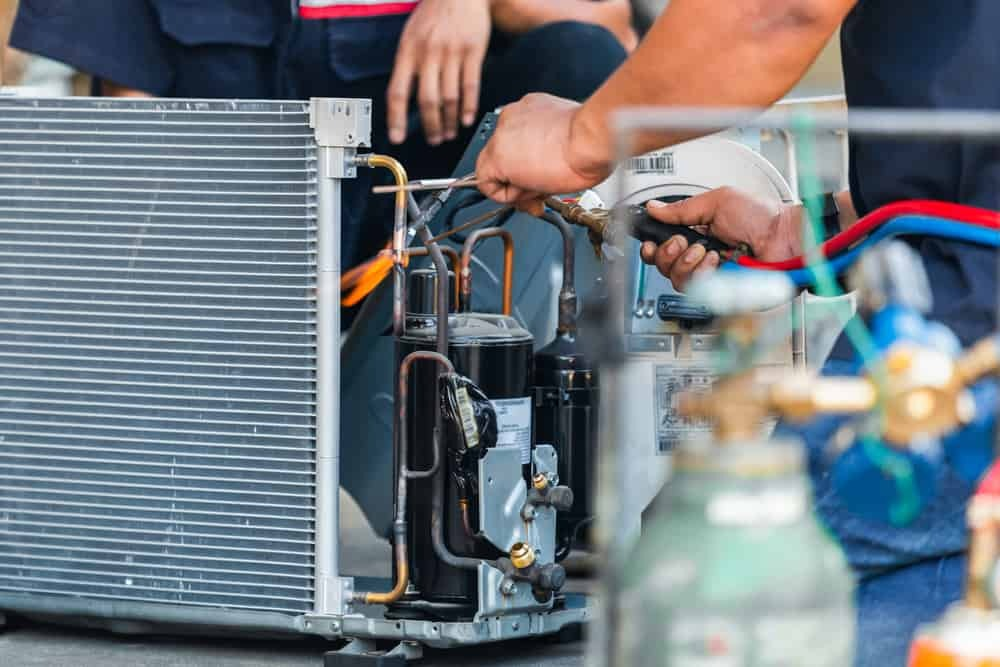
HVAC System:
- Change the Filters: Every 1–3 months, depending on usage and air quality.
- Clean Vents and Ducts: Keep them free of dust and blockages.
- Clear Outdoor Units: Remove leaves and debris from around AC condensers.
- Get Annual Tune-Ups: A professional inspection helps spot issues early.
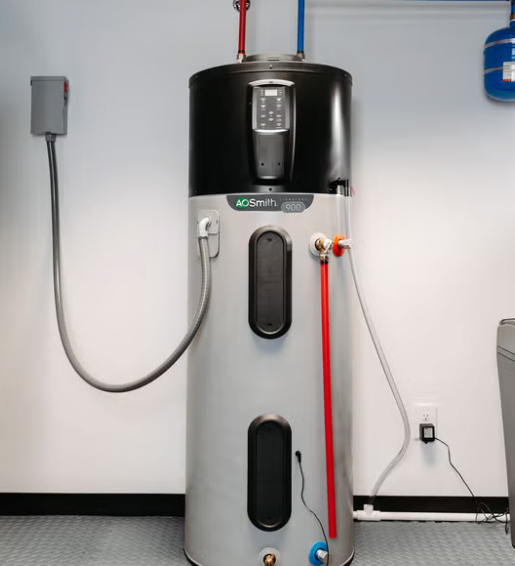
Water Heater:
- Flush It Once a Year: This removes sediment that affects efficiency.
- Check the Anode Rod: It helps prevent tank corrosion.
- Insulate the Tank: This helps maintain water temperature and saves energy.
Pro Tip: After any HVAC or water heater repair, monitor performance for a few days to ensure the system is stable.
6. General Appliance Maintenance Tips
No matter what the appliance, these universal tips will help:
- Read the User Manual: Every appliance is different; the manual holds the key to safe operation.
- Use Surge Protectors: Especially for high-end or sensitive electronics.
- Don’t Ignore Warning Signs: Unusual sounds, smells, or performance drops are early red flags.
- Keep Everything Dry: Water damage can silently ruin electrical components.
- Unplug When Not in Use: This prevents phantom energy drain and extends the appliance’s lifespan.
7. Stainless Steel & Specialty Appliances
- Use Vinegar or Stainless Steel Cleaner: This removes smudges and sanitizes.
- Avoid Abrasive Sponges: These can scratch the surface.
- Dry Immediately After Cleaning: Prevents water spots and streaks.
Pro Tip: Always clean with the grain of the stainless steel.
A Little Maintenance Goes a Long Way
Caring for your home appliances doesn’t require professional training, just some consistency and attention to detail. By following these simple care routines, you’ll extend the life of your appliances, improve energy efficiency, and avoid unnecessary repairs. Whether you’ve just had a repair done or are looking to prevent one, these DIY maintenance tips will help keep everything running smoothly.
Hi, this is a comment.
To get started with moderating, editing, and deleting comments, please visit the Comments screen in the dashboard.
Commenter avatars come from Gravatar.
Comments are closed.